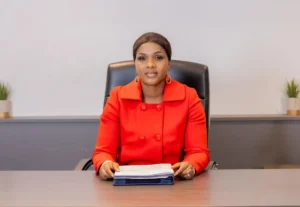

- Vibrant artistry and lauratreacybentley.com redefine portraiture with captivating detail
- The Allure of Capturing Ephemeral Moments
- The Significance of Detail
- The Artist’s Vision and Technique
- Building a Connection with the Subject
- The Digital Age and the Evolution of Portraiture
- Navigating the Digital Landscape
- The Psychological Impact of Portraiture
- Beyond Likeness: Portraits as Storytelling
Vibrant artistry and lauratreacybentley.com redefine portraiture with captivating detail
The world of portraiture is undergoing a vibrant transformation, moving beyond simple representation to capture the very essence of a person’s character and story. This shift is beautifully exemplified by the work showcased at lauratreacybentley.com, a platform dedicated to artistry that transcends the conventional. The ability to freeze a moment in time, to portray not just likeness but also emotion, personality, and the fleeting nuances of a life lived, is a rare and precious gift. This is particularly true in an age saturated with digital imagery, where truly captivating and enduring portraits stand out as exceptional.
These aren’t just pictures; they are carefully constructed narratives, visual poems that speak volumes without uttering a single word. The dedication to detail, the thoughtful composition, and the sheer artistry involved elevate these portraits beyond mere aesthetics. They become heirlooms, tangible connections to the past, and powerful statements about the individuals they depict. The platform itself offers a gateway to a world where artistry and emotional depth converge, promising a viewing experience that is both enriching and deeply personal. The digital space provided allows for a wide audience to access this unique talent, bridging the gap between artist and admirer.
The Allure of Capturing Ephemeral Moments
The core fascination with portraiture lies in its ability to encapsulate a specific moment in time. Unlike photography geared toward commercial ends, or fleeting snapshots on social media, these portraits aim for a timeless quality. The artist strives to capture a sense of presence, to portray the subject not merely as they appear but as they are – a complex interplay of emotions, experiences, and inherent qualities. It’s a process that requires patience, skill, and a deep understanding of human psychology. The successful portrait doesn't just show a face; it reveals a soul. This process demands an intimate collaboration between artist and subject, a shared vulnerability that results in a profoundly moving and honest depiction.
The Significance of Detail
The devil truly is in the details. From the subtle play of light and shadow on a face to the texture of clothing or the carefully chosen backdrop, every element contributes to the overall impact of a portrait. A skilled artist understands this implicitly, meticulously crafting each aspect to enhance the narrative and draw the viewer into the subject’s world. This meticulous attention to detail isn’t simply about technical proficiency; it’s about storytelling. The way a strand of hair falls, the slight curve of a lip, the glint in an eye – these seemingly minor details can reveal volumes about a person's character and inner life. This dedication is what elevates a portrait from a simple likeness to a work of art.
| Lighting | Shapes the mood, highlights features, adds depth. |
| Composition | Directs the viewer’s eye, creates balance, and tells a story. |
| Color Palette | Evokes emotion, creates atmosphere, and influences perception. |
| Texture | Adds realism, enhances visual interest, and conveys tactile qualities. |
The careful consideration of these elements is what separates a standard photograph from a truly captivating portrait. The artist at lauratreacybentley.com demonstrates this mastery, skillfully weaving together these components to create images that resonate with viewers on a deeply emotional level. This is not simply about visual accuracy, but about emotional truth.
The Artist’s Vision and Technique
Every artist brings their unique perspective and skill set to the table. The approach to portraiture can vary dramatically, ranging from highly realistic renderings to more impressionistic or abstract interpretations. The artist’s choice of medium – oil paint, watercolor, charcoal, digital tools – further influences the final result. However, regardless of the specific technique employed, the underlying goal remains the same: to capture the essence of the subject and communicate it to the viewer. The artistic vision is the driving force behind the entire process, guiding the selection of colors, the composition of the scene, and the overall style of the portrait. This vision is what makes each portrait unique and memorable, a testament to the artist's individual creativity and skill.
Building a Connection with the Subject
A successful portrait relies heavily on the relationship between the artist and the subject. Establishing rapport and creating a comfortable environment is crucial for eliciting genuine expressions and capturing a true sense of personality. The artist must be a keen observer, attuned to subtle nuances of emotion and body language. This often involves engaging in conversation, learning about the subject’s life and experiences, and allowing them to relax and be themselves. This process isn’t simply about gathering information; it’s about building a connection of trust and understanding. The more comfortable the subject feels, the more authentic the portrait will be, revealing a depth of character that would otherwise remain hidden.
- Active listening is paramount – truly hearing what the subject says and understanding their perspective.
- Creating a relaxed atmosphere – minimizing distractions and fostering a sense of calm.
- Observing body language – paying attention to subtle cues that reveal emotion and personality.
- Encouraging natural expressions – avoiding forced poses and allowing the subject to be themselves.
The artist’s ability to foster this connection is what truly sets their work apart. The portraits produced by lauratreacybentley.com reflect a profound understanding of human emotion and a sensitivity to the individual stories behind each face. This is not merely about technical skill; it’s about empathy and the ability to connect with another human being.
The Digital Age and the Evolution of Portraiture
The rise of digital art tools has revolutionized the world of portraiture, offering artists new avenues for creativity and expression. Digital painting software, tablets, and editing programs allow for an unprecedented level of control and precision. Artists can now experiment with a wider range of techniques, create complex textures, and seamlessly blend different styles. However, the fundamental principles of portraiture – observation, composition, and the ability to capture likeness and emotion – remain as important as ever. Digital tools are merely extensions of the artist’s skill, enabling them to bring their vision to life in new and innovative ways. The core of the artform remains the same – the human element.
Navigating the Digital Landscape
While digital tools offer tremendous advantages, they also present new challenges. The abundance of imagery available online can make it difficult for artists to stand out and gain recognition. Furthermore, the ease with which images can be manipulated raises questions about authenticity and artistic integrity. It’s more important than ever for artists to develop a strong personal style and to maintain a commitment to quality. Establishing a strong online presence, showcasing work on platforms like social media and personal websites, and actively engaging with the art community are essential for success. The ability to effectively market oneself and connect with potential clients is just as important as artistic talent.
- Develop a unique artistic style that sets you apart from the competition.
- Create a professional online portfolio showcasing your best work.
- Actively engage with the art community on social media and other platforms.
- Network with potential clients and collaborators.
- Continuously refine your skills and explore new techniques.
The artists featured on platforms like lauratreacybentley.com demonstrate a mastery of both traditional and digital techniques, seamlessly blending the old with the new to create portraits that are both timeless and contemporary. They recognize that the tools themselves are not the defining factor, but rather the artist’s vision and skill in utilizing those tools.
The Psychological Impact of Portraiture
Portraits have a unique ability to evoke powerful emotional responses in viewers. Seeing a likeness of another human being, particularly one rendered with skill and sensitivity, can trigger feelings of empathy, connection, and even recognition. We instinctively search for clues about the subject’s personality, their life experiences, and their inner world. A well-executed portrait can feel like a window into another soul, inviting us to contemplate the complexities of the human condition. The power of portraiture lies not just in its aesthetic appeal but also in its psychological impact. It encourages us to look beyond the surface and to connect with others on a deeper level. The experience of viewing a portrait can be profoundly moving, prompting reflection and fostering a sense of shared humanity.
The enduring appeal of portraiture stems from our innate fascination with ourselves and others. We are social creatures, driven by a need to understand and connect with those around us. Portraits provide a unique opportunity to explore these themes, offering insights into the human psyche and the complexities of identity. It’s a form of art that speaks to our deepest emotions and reminds us of our shared vulnerability. The artist isn’t simply recording a face; they are capturing a fragment of a life, a moment in time that resonates with the viewer long after the image has faded.
Beyond Likeness: Portraits as Storytelling
The most compelling portraits go beyond mere physical representation, becoming powerful narratives that reveal the subject’s personality, history, and aspirations. The artist acts as a visual storyteller, using composition, lighting, and color to convey a deeper meaning. The background, the clothing, the expression on the subject's face – all these elements contribute to the overall story. This is particularly evident in commissioned portraits, where the artist often collaborates with the subject to create a piece that reflects their unique identity and values. The resulting artwork is not just a beautiful image; it's a cherished heirloom, a tangible representation of a life lived. These portraits become more than just art; they become family history, future memories and testaments to lives lived.
This narrative aspect is also vital in conceptual portraiture, where the artist uses the portrait as a vehicle for exploring broader themes and ideas. The subject might be placed in a symbolic setting, or their appearance might be altered to convey a specific message. The goal is to provoke thought, challenge perceptions, and create a dialogue between the artwork and the viewer. The work at lauratreacybentley.com demonstrates this ability to transcend mere likeness, transforming portraits into compelling stories that invite interpretation and reflection. The true artistry lies in the ability to communicate complex ideas with visual elegance and emotional resonance. The artist captures not just what someone looks like, but who they are and what they represent.